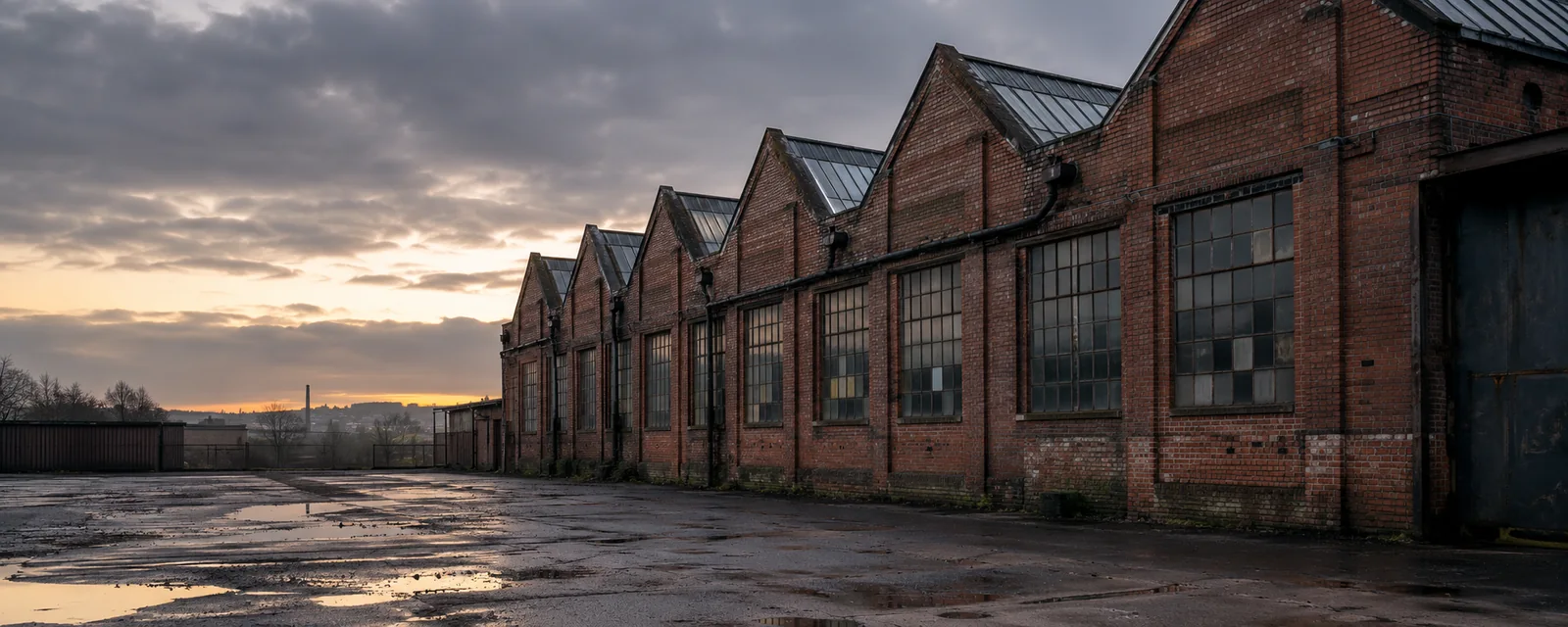
Commercial & industrial asbestos services
Asbestos Removal Sheffield
Know the risk.
Control the next move.
From the first suspect material to documented removal. Asbestos support for the people responsible for Sheffield’s commercial buildings.
A practical starting point
Before The Strip-Out.
Before The Next Trade.
Asbestos Removal Sheffield helps business buyers make informed decisions about asbestos in commercial and industrial premises. Whether you manage a factory, own a leased unit or are preparing a school refurbishment, the starting point is the same: understand the material and the work that could disturb it.
We cover investigation, removal planning, suitable encapsulation and disposal enquiries across Sheffield and nearby areas. Send the information you have, including an existing survey or test result, and explain what you need to happen next. The scope should follow the evidence, with the appointed specialist’s competence and any licensing requirements checked before work begins.
From identification to handover
The Work Starts With The Material.
Choose a service, or tell us what you have found. You do not need to diagnose it yourself.
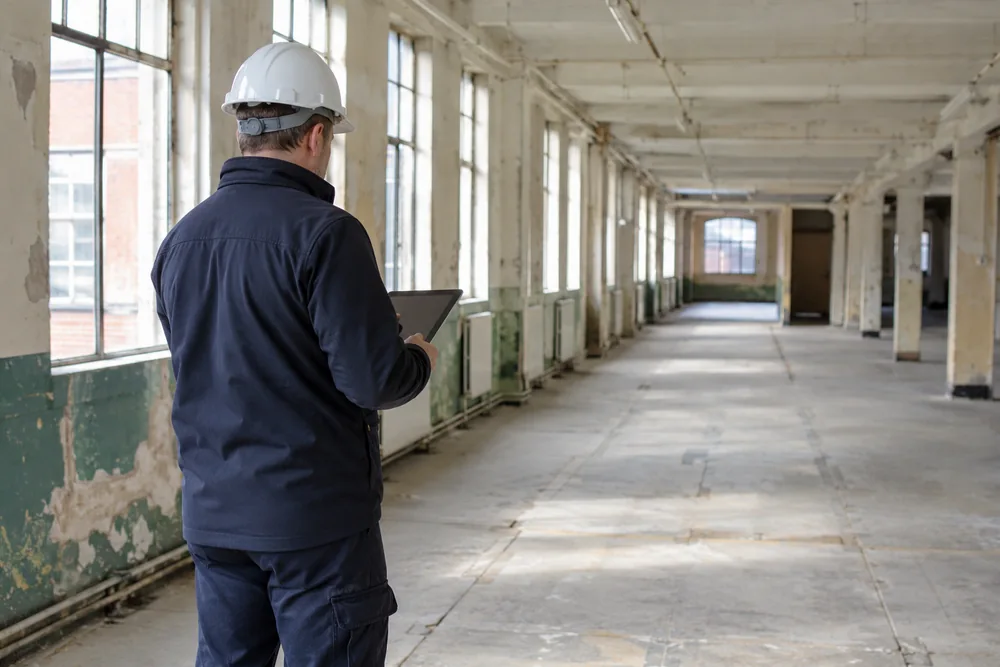
Asbestos Surveys
Identify the materials, their condition and the limits of your asbestos information before maintenance or building work.
Explore Service
Asbestos Testing
Professional sampling and laboratory identification for suspect commercial building materials.
Explore Service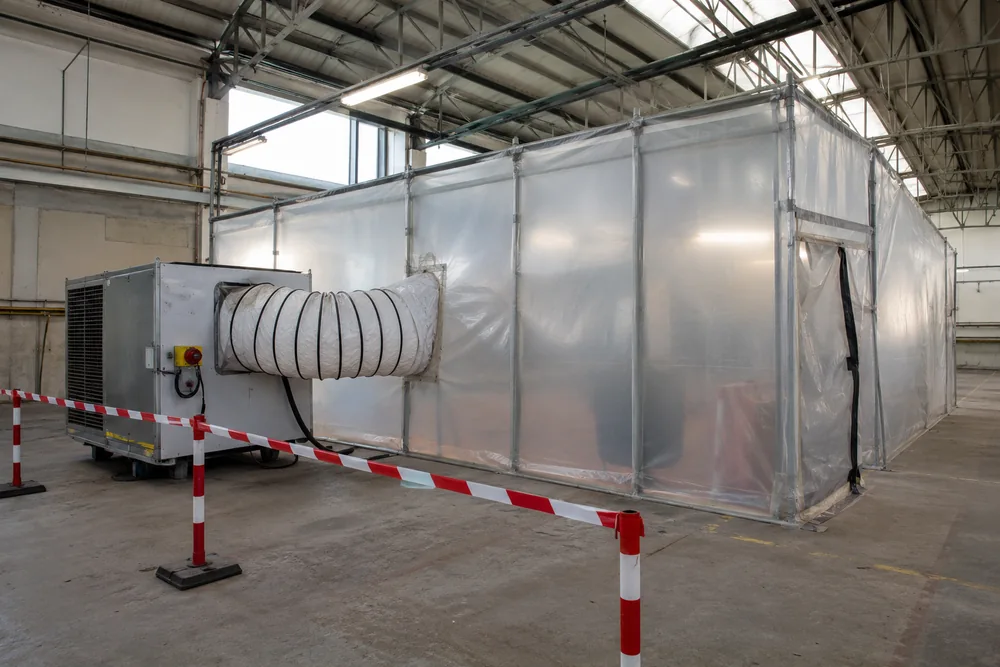
Licensed Asbestos Removal
Higher-risk asbestos work scoped for an appropriately HSE-licensed contractor and controlled handover.
Explore Service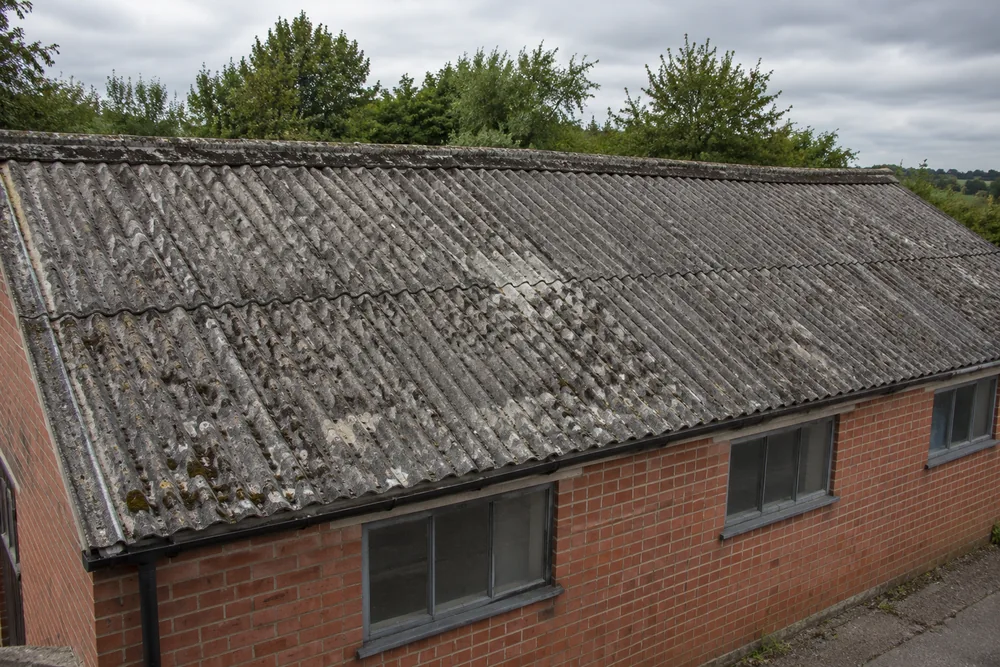
Asbestos Roof Removal
Removal planning for asbestos cement roofing on factories, workshops and commercial outbuildings.
Explore Service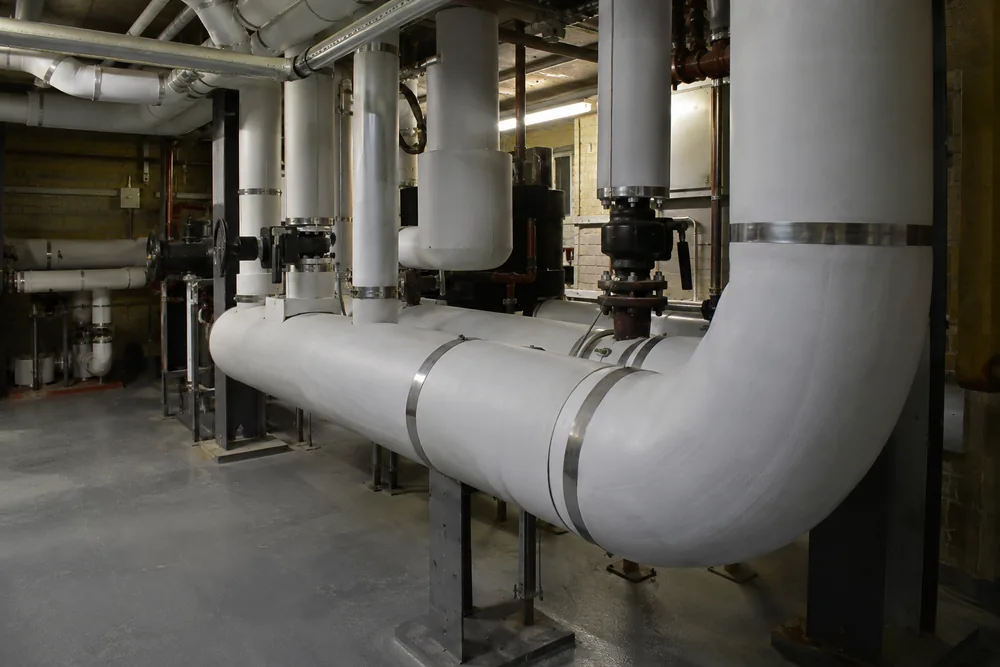
Asbestos Encapsulation
Assess whether suitable asbestos materials can be sealed and managed safely in place.
Explore Service
Asbestos Disposal
Controlled asbestos waste collection, authorised transport and documented disposal for commercial sites.
Explore ServiceThe decision that matters
Manage It.
Seal It.
Or Remove It.
Asbestos presence and asbestos risk are different questions.
What Asbestos Removal Involves
Asbestos removal is the controlled taking out of asbestos-containing material, followed by the appropriate cleaning, assessment and waste route. It may involve bonded cement sheets, floor products, insulation board or more friable insulation. The controls must match the task, condition and likely fibre release.
It is not enough to arrange a general strip-out and ask the contractor to be careful. The work needs reliable information, a risk assessment and a suitable written method. Depending on the category, a licensed contractor, notification and specialist analytical involvement may be required.
Some asbestos can remain in place when it is in good condition and unlikely to be disturbed. Removing sound material without a reason can create avoidable disturbance. We help frame the enquiry around what you intend to do, so that the assessment can compare retention, protection, encapsulation and removal.
Who Needs To Take Action In Sheffield?
For Sheffield commercial premises, the Control of Asbestos Regulations 2012 are the main asbestos regulations. Regulation 4 places a duty to manage on those with relevant responsibilities for maintenance and repair. That can include owners, landlords, occupiers or parties with shared duties under a lease.
The duty is to assess and manage risk, rather than automatically remove every asbestos product. Dutyholders need usable information about material location and condition, a management plan, monitoring arrangements and a way to warn anyone who may disturb it. Read the HSE duty to manage guidance when checking your arrangements.
Factories, shops, offices and schools can all fall within the commercial duty. Before commissioning building work, establish who controls the premises and who can authorise restrictions, isolations and access. A maintenance manager may coordinate the project without taking over every legal duty held by another party.
Found Something Unexpected?
Stop the work. Restrict access. Leave the material alone.
Do not sweep debris, use an ordinary vacuum or carry samples through an occupied building. Follow your site arrangements and seek competent assessment before restarting the affected work.
Explain What Has HappenedHow the project takes shape
A Sequence You Can Plan Around.
Agree the information, boundaries and handover before other trades are committed.
Share The Starting Information
Send the site location, building use and any existing survey, register or analysis report. Explain the proposed maintenance, refurbishment or demolition work, rather than simply asking for asbestos to be removed. If information is missing, a survey or targeted investigation may be the next step.
Confirm The Scope And Controls
A competent assessment identifies the work category, access requirements and method. The proposal should state the materials and areas included, exclusions, occupation limits and responsibilities for service isolation. Check the appointed contractor’s licence where required and the competence relevant to the task.
Coordinate The Site Work
Agree work zones, emergency routes, loading access and how tenants or building users will be informed. The method may require containment, decontamination facilities and a separate waste route. Allow for preparation and any required notifications before setting a start date for following trades.
Close The Records Properly
Receive the relevant completion and waste records. Where required, independent analytical clearance and a certificate of reoccupation form part of handover. Update the asbestos register to show both the removed material and anything that remains, then circulate the revised information to the people arranging future work.
Surveys Before Refurbishment Or Demolition
An asbestos management survey helps with normal occupation and foreseeable maintenance. It is not designed to locate every hidden material that construction work could expose. A refurbishment and demolition survey must investigate the actual areas that will be disturbed, with sufficient access for the proposed scope.
For example, a new services route may pass through a ceiling void that was excluded from an earlier report. Replacing that ceiling requires more information than changing a surface-mounted fitting. Resolve those gaps before the construction contractor starts opening up the area.
Our Sheffield asbestos survey service explains survey types and access limits. If you have a single suspect material, professional asbestos testing can answer a focused question, but a sample result should not be stretched into a whole-building conclusion.
Licensed And Non-Licensed Work
Higher-risk work can require an HSE-licensed contractor. Much removal of loose insulation, sprayed coatings and pipe lagging falls into that category. The decision about insulation board and other materials depends on the specific task and assessed risk.
Non-licensed work still needs trained competent workers and suitable controls. Some work is notifiable non-licensed work, with requirements beyond ordinary non-licensed tasks. Do not confuse asbestos awareness training with the practical competence or licence needed for removal.
For a higher-risk scope, see licensed asbestos removal. Ask for the appointed contractor’s current licence and a written explanation of what is being undertaken. The HSE licensed-work guidance provides the relevant framework.
The quotation
What Changes The Cost?
A credible quotation starts with a defined job. We do not publish a blanket rate for materials that need different controls.
Request A Scoped QuoteMaterial, Condition And Access
The type and condition of the asbestos influence the controls. Friable insulation inside a difficult plant space is a different task from intact cement sheeting with accessible fixings. The extent of contamination, service isolations and any enclosure or decontamination arrangements can change the cost.
Access can matter as much as area. Working at height, fragile roofs, narrow yards and restricted loading routes all affect the method. A commercial roof quotation should distinguish asbestos removal from replacement coverings, structural repairs and temporary weather protection.
Occupation, Testing And Handover
Production schedules, school use and tenant occupation can require phased access or additional segregation. Laboratory analysis and analytical monitoring should be scoped explicitly, along with the correct waste route. Ask what is included if unexpected material or debris is discovered.
For comparable quotations, provide the same survey and drawings to each contractor. Ask who is responsible for permits, isolation, clearance, reinstatement and waste documentation. A clear allocation of those tasks reduces the chance of a cheap initial figure becoming an incomplete proposal.
Sheffield & the surrounding region
Industrial Heritage.
Present-Day Responsibilities.
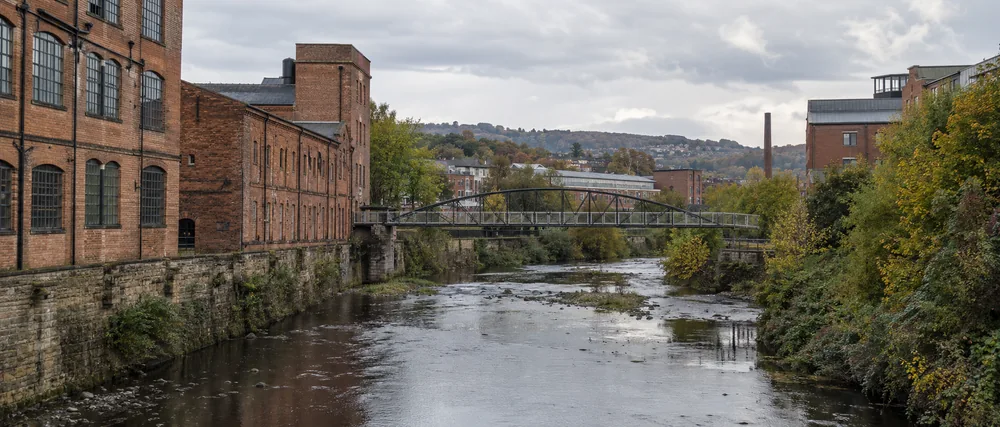
Attercliffe sits in Sheffield’s industrial Lower Don Valley, where the city council describes businesses and factory employment as part of the area’s character. Kelham Island and Neepsend have a commercial and architectural history shaped by steel, cutlery and silverware. These locations can bring older construction, later alterations and changes of use into the same project.
A building’s district does not establish that it contains asbestos. The individual construction history and survey evidence matter. At older workshops, converted industrial premises and mixed estates, check previous extensions and the limits of historic reports before assuming that all areas have been investigated.
We welcome commercial enquiries from Attercliffe, Darnall, Tinsley, Kelham Island, Neepsend, Rotherham, Stocksbridge, Chapeltown, Dronfield and Chesterfield. Tell us the site postcode so access and the proposed service can be checked. See the locations we cover for local context.
Local context: Sheffield City Council, Attercliffe and Kelham Island and Neepsend.
Keep The Next Contractor Informed
Asbestos information needs to stay useful after the current job. Record what was removed, what remains and which areas were inaccessible, then pass the relevant findings to anyone planning maintenance or further alterations. A newly cleared room may still connect to a void with retained material.
Use photographs and plan references that allow another person to identify the location accurately. Keep laboratory and analytical records with the project information, rather than relying on a note that says the asbestos was dealt with. Our approach to commercial asbestos enquiries puts that practical handover at the centre of the scope.
Does All Asbestos Need To Be Removed?
Asbestos does not always need to be removed if it is in good condition and unlikely to be disturbed. A competent assessment may support management in place, with a register, monitoring and information for contractors. Removal becomes relevant where damage, deterioration or planned work makes continued retention unsuitable for the building and its use.
Who Has The Duty To Manage Asbestos?
The duty to manage asbestos can sit with the building owner, landlord or organisation responsible for maintenance and repair. Lease and contract terms matter, and responsibility may be shared. For commercial premises in Sheffield, identify the dutyholder and give them the resources to maintain the register, assess risk and communicate information before work starts.
When Do I Need A Refurbishment Survey?
A refurbishment survey is needed before work that could disturb asbestos hidden within the building fabric. Its scope must match the project, including service routes and areas being opened up. A management survey is designed for normal occupation and routine maintenance, so it should not be treated as clearance for intrusive alterations or demolition.
Is Asbestos Cement Roof Removal Always Licensed?
Asbestos cement roof removal is not always licensed when the material is intact and the assessed work meets the exemption criteria. Condition, deterioration and the proposed method can change the classification. Non-licensed work still requires competent trained workers and suitable controls, including protection against falls through fragile sheets and safe handling of the resulting waste.
How Much Does Commercial Asbestos Removal Cost?
Commercial asbestos removal cost depends on the material, quantity, condition, access and controls required. Enclosures, decontamination, waste handling and analytical work can change the scope. Provide a survey, marked plans and details of occupation restrictions for a useful quotation, then compare the same inclusions rather than relying on a price per square metre.
Can A Business Stay Open During Asbestos Work?
A business may be able to stay open during asbestos work if a competent assessment supports suitable segregation and safe access arrangements. Some areas will need to be vacated, and intrusive surveys or enclosure work may require wider restrictions. Agree the occupied areas, emergency routes and handover requirements before fixing dates with other contractors.
What Happens If Suspect Asbestos Is Disturbed?
Suspect asbestos disturbance means work should stop and access to the affected area should be restricted. Do not sweep, vacuum with ordinary equipment or move debris through the building. Follow your site emergency arrangements and seek competent assessment before anyone re-enters or resumes work. Explain what happened and which activities or areas could have been affected.
What Documents Should I Keep After Removal?
After asbestos removal, retain the agreed scope, completion records and hazardous waste consignment information. Where relevant, keep analytical results and the certificate of reoccupation from four-stage clearance. Update the asbestos register and management plan to record both removed materials and anything left in place, then communicate the changes to anyone arranging maintenance or further construction.
Tell us where things stand
One Site.
A Defined Next Step.
Describe the premises and the proposed work. Include the site location and any survey information you already hold.
Please leave suspect materials undisturbed while the enquiry is assessed.